Grooming Tips for Pet Owners
As a pet owner, maintaining your furry friend’s coat is essential for their overall health and well-being. Regular grooming not only keeps your pet looking their best but also helps prevent various skin issues and promotes a healthy bond between you and your pet. In this guide, we will explore effective grooming tips, the right tools to use, and how to keep your pet comfortable during grooming sessions.
Why Grooming is Important
Grooming is not just about aesthetics; it plays a crucial role in your pet’s health. Here are some key reasons why grooming is important:
- Prevents Matting: Regular brushing helps to prevent tangles and mats, especially in long-haired breeds.
- Skin Health: Grooming helps distribute natural oils in your pet’s coat, keeping their skin healthy and hydrated.
- Reduces Shedding: Regular grooming can significantly reduce the amount of hair shed around your home.
- Identifies Health Issues: During grooming, you can check for unusual lumps, bumps, or skin irritations.
Brushing Your Pet’s Coat
Choosing the Right Brush
Different breeds have different coat types, and using the right brush is essential for effective grooming. Here are some common types of brushes:
- Slicker Brush: Ideal for removing mats and tangles in long-haired breeds.
- Pin Brush: Great for fluffing and removing loose hair from medium to long-haired pets.
- Bristle Brush: Best for short-haired breeds to remove dirt and distribute oils.
- Rubber Brush: Good for short-haired pets, especially for massaging the skin and removing loose fur.
Brushing Techniques
To effectively brush your pet’s coat, follow these techniques:
- Start Slowly: Introduce the brush to your pet gradually to avoid scaring them.
- Brush in the Direction of Hair Growth: Always brush in the direction that the hair grows to avoid discomfort.
- Be Gentle: Use gentle strokes, especially in sensitive areas like the belly and behind the ears.
- Check for Mats: Pay special attention to areas where mats tend to form, such as under the arms and behind the ears.
Bathing Your Pet
When to Bathe Your Pet
Bathing frequency can vary based on your pet’s breed, lifestyle, and skin type. Here are some general guidelines:
- Short-Haired Breeds: Every 4-6 weeks.
- Long-Haired Breeds: Every 4-8 weeks, depending on their activity level.
- Active Pets: If your pet enjoys outdoor activities, they may require more frequent baths.
- Skin Conditions: Consult your veterinarian for specific bathing recommendations if your pet has skin issues.
Choosing the Right Shampoo
Using the right shampoo is crucial for maintaining your pet’s skin and coat health. Here are some tips:
- Breed-Specific Shampoos: Some shampoos are formulated specifically for certain breeds or coat types.
- Hypoallergenic Options: If your pet has sensitive skin, consider using hypoallergenic shampoos.
- Natural Ingredients: Look for shampoos that use natural ingredients to avoid harsh chemicals.
Bathing Techniques
Follow these steps for a stress-free bathing experience:
- Prepare the Area: Use a non-slip mat in the tub or sink to keep your pet stable.
- Use Lukewarm Water: Ensure the water temperature is comfortable for your pet.
- Wet Thoroughly: Wet your pet’s coat completely before applying shampoo.
- Rinse Well: Make sure to rinse all shampoo out to prevent skin irritation.
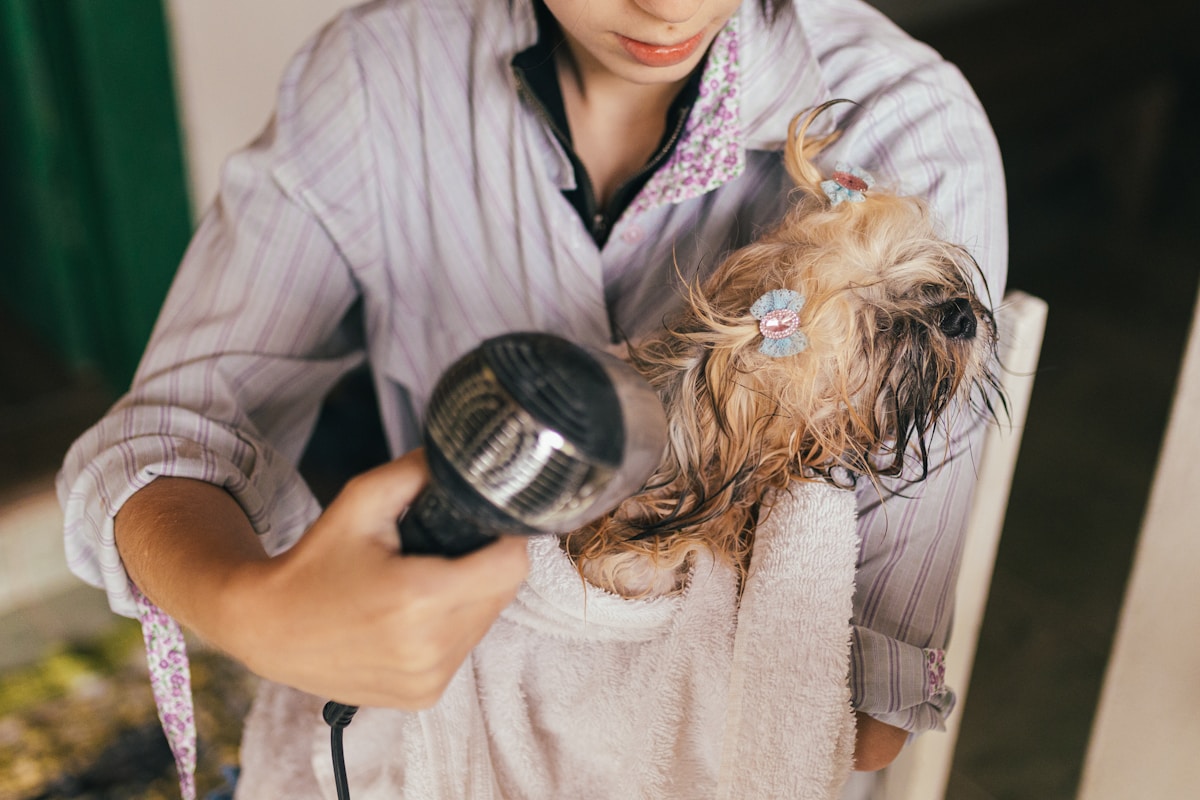
- Drying: Use a towel to gently dry your pet, or a pet dryer on a low setting for long-haired breeds.
Tools and Products for Grooming
Investing in the right grooming tools can make a significant difference in your grooming routine. Here’s a list of essential grooming tools:
- Grooming Gloves: Perfect for short-haired pets to remove loose hair while providing a gentle massage.
- De-shedding Tools: Great for reducing shedding in double-coated breeds.
- Ear Cleaning Solution: Keep your pet’s ears clean and free from wax buildup.
- Nail Clippers: Regular nail trimming is essential for your pet’s comfort and health.
Expert Advice at Pawsitively Groomed
For tailored grooming advice and services, consider visiting Pawsitively Groomed. Their team of experts can provide personalized recommendations based on your pet’s breed, coat type, and specific needs. Regular professional grooming can complement your at-home grooming efforts, ensuring your pet remains happy and healthy.
Conclusion
Grooming your pet is an essential part of responsible pet ownership. By following these tips and using the right tools, you can maintain your pet’s coat between grooming sessions effectively. Remember, grooming is not just about keeping your pet looking good; it’s about ensuring their health and happiness. Happy grooming!